

Children grow, learn, play, and discover new things every single day. As children explore new environments at school, playgrounds, and social activities, they come into contact with many different germs and everyday challenges. Their bodies are constantly developing and learning how to respond to these exposures as they grow.
During these growing years, healthy daily habits can help support their natural protection system. Many parents often ask what is immunity and why it is so important for children. The immune system works quietly inside the body and helps protect children from germs and infections.
Simple habits like eating healthy food, sleeping well, staying active, and following a clean routine may support overall health. In this blog, you will understand how the immune system works and how small daily habits may help children stay healthy, active, and full of energy.
The Immune System is the Body’s Natural Protection
Source: euroschoolindia.com
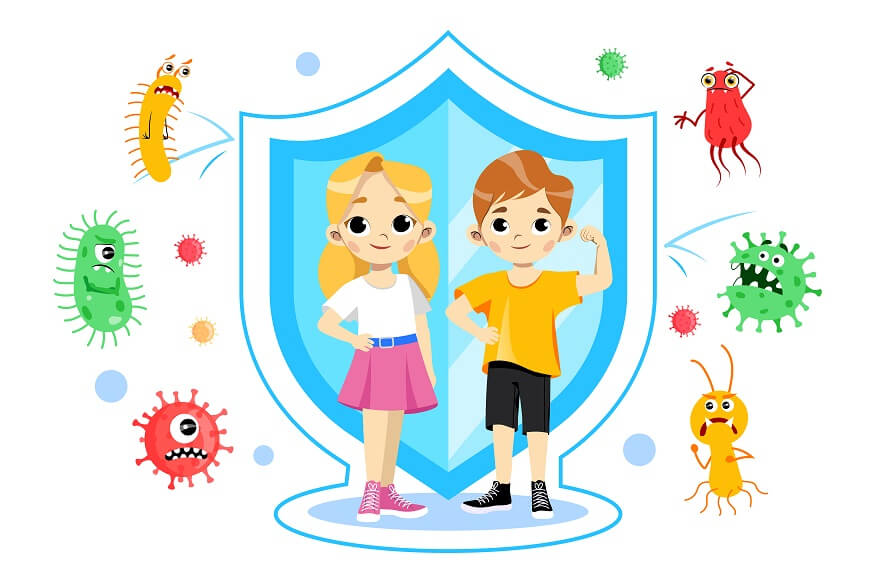
The immune system is the body’s natural defense against foreign invaders. It is made up of different cells that work together every day. Its main job is to help the body respond to germs and other harmful substances.
Children come into contact with many different environments during school, sports, travel, and playtime. As a result, their bodies are regularly exposed to dust, germs, and changing weather conditions. A healthy immune system will help the body respond appropriately in these situations.
How White Blood Cells Help Fight Germs and Infections
White blood cells are an important part of the body’s natural protection system. They move around the body and help fight germs when they enter. Some white blood cells can recognize harmful substances and help remove them from the body. Others can remember infections the body has faced earlier, so they can react faster if the same germs return.
How Eating Healthy Food Can Help Boost Immunity
Source: healthkart.com
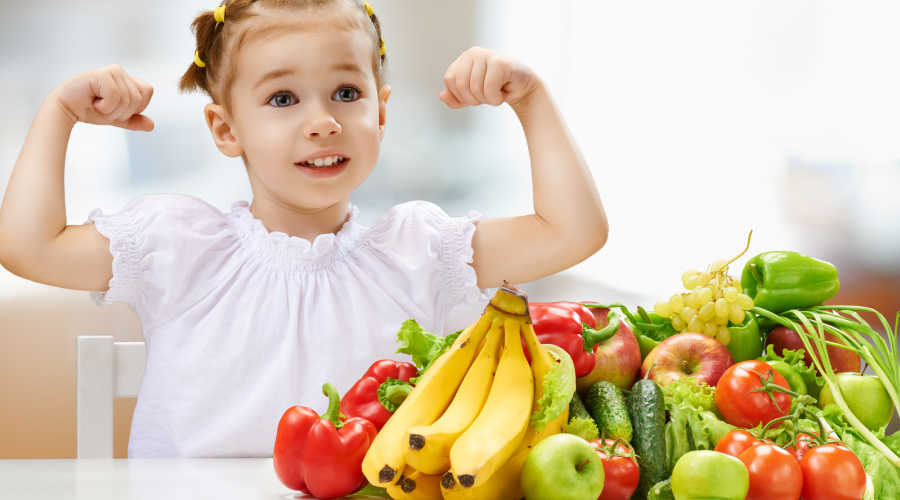
The body needs food to supply the nutrients necessary for growth and normal functioning. Children’s balanced meals often consist of fruits, vegetables, lentils, milk products, nuts, and whole grains.
Including a variety of nutrient-rich foods in daily meals can help children receive important vitamins, minerals, protein, and fiber needed for overall health. Fresh, homemade meals are often easier to include in regular family routines and can help children develop healthy eating habits from an early age.
Some foods that parents can include regularly are:
- Citrus fruits such as oranges, sweet lime, and mandarins for vitamin C
- Green vegetables like spinach, broccoli, and peas for vitamins and minerals
- Protein-rich foods including eggs, lentils, beans, fish, and lean chicken
- Dairy products such as milk, yogurt, and cheese for calcium and protein
- Nuts and seeds like almonds, walnuts, and sunflower seeds as healthy snacks
- Whole grains including oats, brown rice, and whole wheat products for sustained energy
- Colorful fruits and vegetables such as carrots, papaya, berries, and sweet potatoes for a variety of nutrients
Offering different healthy foods throughout the week can help children enjoy a more balanced diet while supporting their everyday nutritional needs. Healthy eating habits during childhood may also encourage better food choices later in life.
Daily Hygiene Habits That Support a Strong Immune System
Clean habits may help reduce exposure to dirt, germs, and other bacteria.
Children are often encouraged to wash their hands before eating and after playing outside. Keeping nails clean and wearing fresh clothes may also help maintain good hygiene habits.
How Vaccinations Protect Growing Children
Source: kidsvillepeds.com
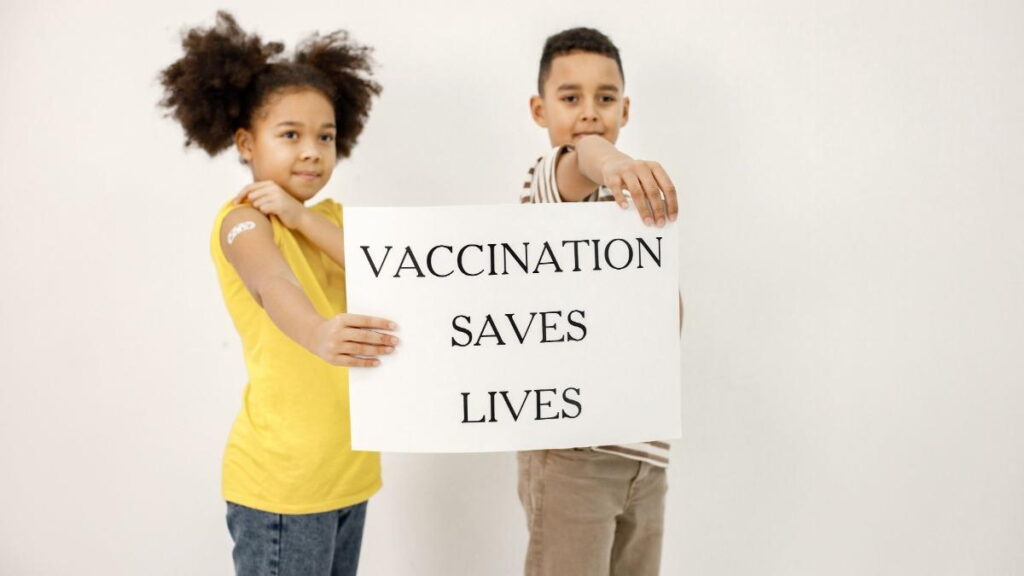
Vaccinations are often recommended in childhood because they help to reinforce the body’s natural defence system. They help the immune system recognize certain infections before the body is exposed to them. Doctors and healthcare professionals usually recommend vaccines based on a child’s age, growth stage, and overall health needs.
Some important points for parents to remember include:
- Follow the recommended vaccination schedule provided by your child’s healthcare professional.
- Attend regular health checkups to monitor growth and discuss upcoming vaccinations.
- Keep vaccination records updated for school admissions, travel requirements, and medical visits.
- Consult a healthcare professional if you have questions about vaccine timing or recommendations.
- Encourage healthy daily habits alongside vaccinations, including balanced nutrition, adequate sleep, physical activity, and good hygiene practices.
Regular health checkups may help parents stay up to date on vaccination schedules. Some vaccines may help protect against illness during school years and in changing weather conditions. Understanding what immunity is can also help explain why vaccines are considered an important part of childhood healthcare.
Importance of Sleep, Physical Activity, and Hydration for Kids

Source: sleepmdnyc.com
Children generally need healthy sleep for growth, attention, learning and daily energy levels. Getting enough sleep, drinking enough water and eating balanced meals can support overall health and normal bodily functions. Kids tend to do well with consistent daily routines that feature activity, healthy food and adequate rest. Every day, simple habits that help to support the immune system as children grow, learn and play.
You also asked
Conclusion
Immunity is an important part of helping children grow, learn and stay active each day. Getting enough sleep, drinking enough water and eating balanced meals can support overall health and normal bodily functions. Kids tend to do well with consistent daily routines that feature activity, healthy food and adequate rest. Every day, simple habits that help to support the immune system as children grow, learn and play.